Brainspotting Therapy for Anxiety: How It Works and Why It’s So Effective
Introduction
If you’ve been struggling with anxiety and feel like talk therapy hasn’t fully helped, you’re not alone. Many people find that even when they understand their anxiety logically, their body still reacts with stress, fear, or overwhelm.
That’s where Brainspotting therapy comes in.
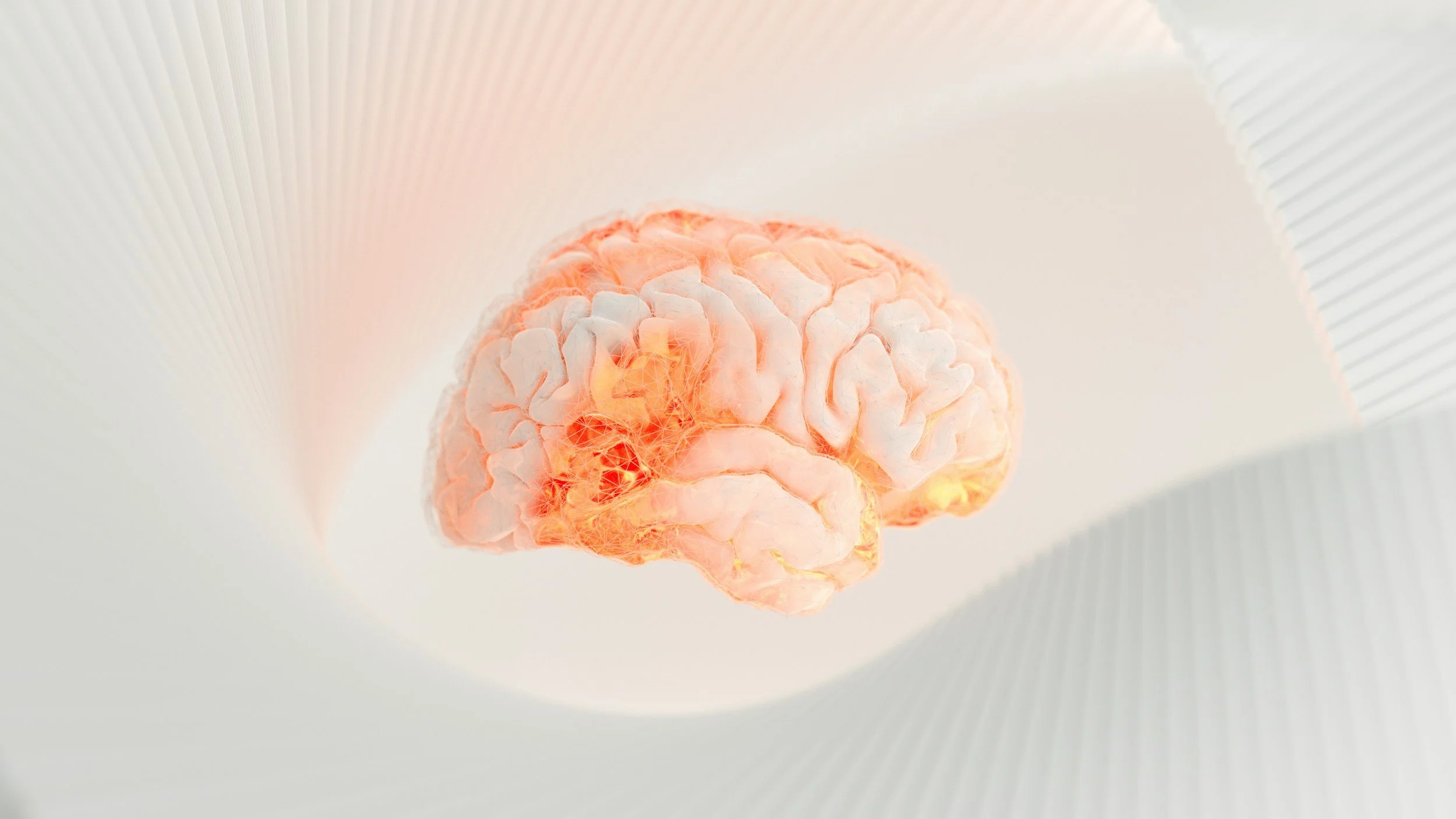
Brainspotting is a powerful, brain-based therapy designed to help you access and release deep emotional pain that may be stored beneath the surface. In this article, you’ll learn how Brainspotting works, why it’s so effective for anxiety, and what to expect if you try it.
What Is Brainspotting Therapy?
Brainspotting is a therapeutic approach that helps identify and process unresolved trauma and emotional experiences stored in the brain and body.
It works by using your eye position to locate specific “brainspots”—areas in your visual field that connect to unprocessed emotions. Once these spots are activated, your brain can begin to naturally release and heal those experiences.
Unlike traditional talk therapy, Brainspotting doesn’t rely on analyzing or explaining your feelings. Instead, it works directly with the deeper parts of your brain where anxiety is often rooted.
How Brainspotting Works for Anxiety
Anxiety isn’t just in your thoughts—it’s also stored in your nervous system.
Even if you know you’re safe, your body may still react as if there’s danger. This is because anxiety is often tied to unresolved experiences that your brain hasn’t fully processed.
Brainspotting works by:
Identifying where anxiety is held in your body
Activating the brain’s natural healing response
Allowing your nervous system to release stored stress
During a session, your therapist will guide your eye position while you focus on a feeling, memory, or physical sensation. This helps access deeper brain regions that are not easily reached through talking alone.
Over time, this process can reduce anxiety at its root—not just manage the symptoms.

Why Brainspotting Is So Effective for Anxiety
1. It Targets the Root Cause
Many therapies focus on managing anxious thoughts. Brainspotting goes deeper by helping your brain process the underlying cause of anxiety.
2. It Works With the Body, Not Just the Mind
Anxiety often lives in the body—tight chest, racing heart, tension. Brainspotting helps release these physical responses, not just the mental ones.
3. It Doesn’t Require You to Talk Everything Out
If you struggle to put your feelings into words, Brainspotting can still be highly effective. The process allows your brain to do the work without needing constant verbal explanation.
4. It Can Work Faster Than Traditional Therapy
Many people notice shifts in fewer sessions compared to traditional talk therapy, especially when anxiety is linked to past experiences.
5. It Feels Deep but Gentle
Brainspotting allows you to process emotions at your own pace, making it a safe and supportive option for people who feel overwhelmed by intense therapies.

What Happens During a Brainspotting Session?
A typical Brainspotting session looks like this:
You and your therapist identify a specific issue (such as anxiety or a triggering situation)
You notice where you feel that anxiety in your body
Your therapist helps you find a “brainspot” using your eye position
You stay focused on that spot while your brain begins to process
You might experience:
Emotional release
Body sensations (like warmth, tension, or relaxation)
Memories or insights
Or sometimes, you may simply feel a sense of calm afterward.
There’s no “right” way to experience Brainspotting—your brain leads the process.
Who Is Brainspotting Best For?
Brainspotting is especially helpful if you:
Feel stuck in anxiety despite understanding it
Experience physical symptoms like panic, tension, or overwhelm
Have tried talk therapy but want something deeper
Struggle with trauma or past experiences
Feel triggered without knowing why
Brainspotting vs Traditional Talk Therapy
BrainspottingTalk TherapyFocuses on brain + bodyFocuses on thoughts and behaviorAccesses deeper emotional processingWorks through conscious awarenessLess talking requiredMore discussion and analysisCan create faster shiftsOften gradual progress
Both approaches can be helpful—but Brainspotting is often more effective for anxiety rooted in past experiences.
How Long Does It Take to See Results?
Everyone is different, but many people report:
Feeling calmer after just 1–3 sessions
Reduced reactivity to triggers
Improved emotional regulation
Long-term healing depends on your unique history and goals, but Brainspotting is known for producing noticeable shifts relatively quickly.
Is Brainspotting Right for You?
If your anxiety feels persistent, overwhelming, or hard to control—even when you understand it—Brainspotting may be a great fit.
It’s especially helpful if you’re looking for:
Deeper healing (not just coping skills)
A body-based approach
A therapy that doesn’t rely heavily on talking
Final Thoughts
Anxiety can feel exhausting, especially when it doesn’t respond to traditional approaches. Brainspotting offers a different path—one that works directly with your brain and body to release what’s been holding you back.
If you’re ready to experience lasting relief, Brainspotting may be the breakthrough you’ve been looking for.
Ready to Start Brainspotting Therapy?
If you’re in the Sarasota or Brandon, Florida area and are interested in Brainspotting therapy for anxiety, professional support can help guide you through the process safely and effectively.
Reaching out could be the first step toward feeling calmer, more grounded, and in control again.